


Insulin Resistance: What It Means and How Diabetes Risk Is Assessed
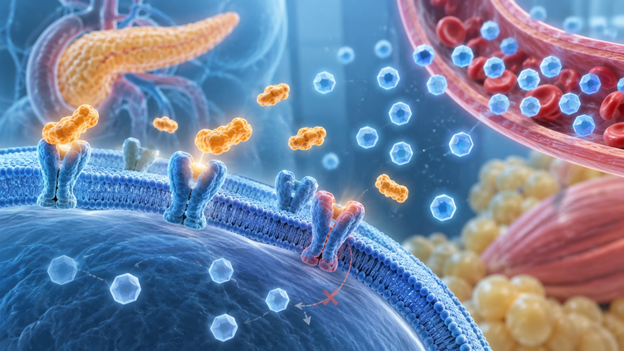
Insulin resistance occurs when cells in the muscle, adipose tissue, and liver become less responsive to the effects of insulin. As a result, the body may require higher insulin levels to maintain normal glucose regulation.
Importantly, insulin resistance usually does not produce recognizable symptoms. It can remain clinically silent for years, while progressive metabolic dysfunction may eventually lead to prediabetes and, in some individuals, type 2 diabetes.
The likelihood of insulin resistance and prediabetes is higher in people with overweight or obesity, physical inactivity, or a family history of diabetes. Risk is also associated with conditions including polycystic ovary syndrome, hypertension, and dyslipidemia.
How is the risk identified?
Direct testing for insulin resistance is not routinely used in clinical practice and is primarily employed in research settings. Instead, clinicians assess medical history, established risk factors, and glycemic status.
Validated tests for detecting prediabetes and diabetes include fasting plasma glucose, HbA1c, and the oral glucose tolerance test when appropriate.
Maintaining a healthy weight, engaging in regular physical activity, and adopting sustainable dietary and lifestyle habits can reduce the risk of progression to type 2 diabetes. Individuals with relevant risk factors may require periodic screening even when they have no symptoms.
Leave a reply